


Why Australian Home Buyers Have More Negotiating Power Right Now
More properties are for sale and prices have fallen across most capital cities, giving buyers more choice and more room to negotiate than they've had in some time. But it's not a free-for-all — good properties in good locations still attract competition.
Buyers Don't Know How Much Leverage They Actually Have
For years, many Australian buyers have felt like they were competing in a seller's market — multiple offers, rushed decisions, and little room to negotiate on price. That experience shapes how people approach every purchase, even after the market shifts.
Right now, the market has genuinely changed. Listings are up almost 13% compared to a year ago, and prices have fallen across most capital city suburbs over the past few months.
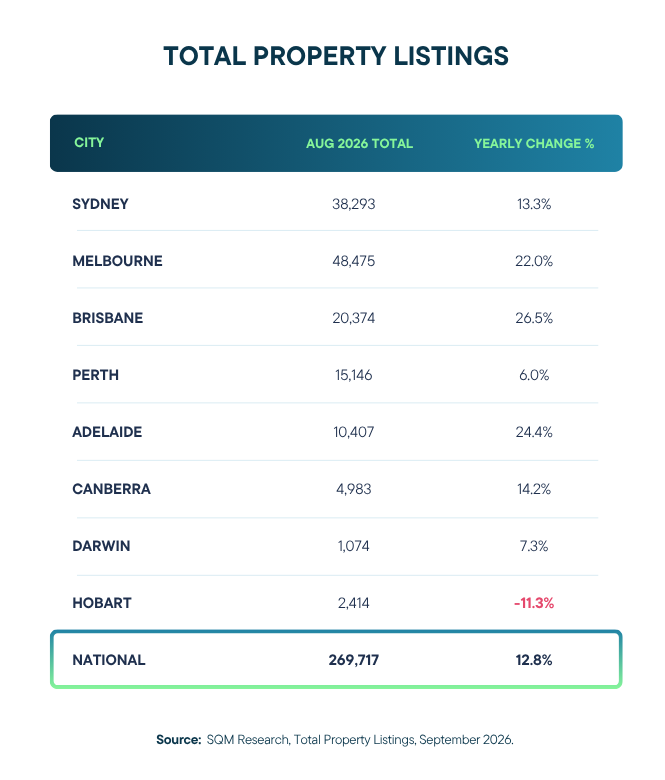
The increase isn't even across the country — Brisbane, Adelaide, and Melbourne have all seen listings jump by more than 20% in a year, giving buyers in those cities considerably more choice. Hobart is the outlier, with listings actually falling, which is a reminder that "more negotiating power" doesn't apply evenly everywhere.
Yet many buyers are still negotiating — or not negotiating — as if nothing has changed, either overpaying out of habit or assuming every seller will accept a lowball offer. Both approaches can cost you.
Know the Market, Know Your Number, Then Negotiate With Confidence
More listings on the market generally means:
Greater choice — you're not forced to settle for the first property that fits
Less urgency — fewer bidding wars and less pressure to make snap decisions
More scope to negotiate — on price, settlement terms, or conditions
But it's worth being realistic about the limits of that leverage. Good properties in sought-after areas can still attract strong interest, and distressed sales — where a seller genuinely needs to sell quickly — remain relatively uncommon. Assuming every vendor is desperate to deal can lead to offers that miss the mark entirely.
The most effective approach combines both: use the softer market to negotiate with confidence, while staying realistic about what a fair price actually looks like for that specific property and location.
The other essential step, often overlooked, is knowing your numbers before you start looking. Getting pre-approval means you can negotiate decisively when the right property comes along, rather than losing time — and leverage — sorting out finance after the fact.
Buyers Who Prepare Get Better Outcomes
Buyers who combine market awareness with financial preparation are in the strongest position right now. They know what similar properties are actually selling for, they understand where they have genuine room to negotiate, and they can move quickly and confidently when they find the right home, because their finance is already sorted.
That combination — market knowledge plus finance clarity — consistently leads to better outcomes than either approach alone.
Frequently Asked Questions
Is it a buyer's market in Australia right now?
In many areas, yes. Listings are up significantly year-on-year and prices have declined across most capital city suburbs, giving buyers more choice and negotiating room than in recent years. Conditions still vary by location and property type.
How much can I negotiate on a house price?
There's no fixed answer — it depends on how long the property has been listed, how much interest it's attracted, and local market conditions. A local agent or your mortgage broker can help you gauge a realistic starting point.
Do I need pre-approval before making an offer?
It's strongly recommended. Pre-approval shows sellers you're a serious, ready-to-go buyer, and it means you can move quickly and negotiate with confidence once you find the right property.
Ready to start looking? Let's sort out your borrowing power first, so you know exactly what you can offer with confidence.
General advice warning: This article contains general information only and does not take into account your objectives, financial situation or needs. Before acting on it, consider whether it's appropriate for you and seek personalised advice. All loans are subject to lender credit assessment and approval, and terms, conditions, fees and charges apply.